There's no single answer, but there is a pattern
"How long is this going to last?" is one of the first questions almost every sciatica patient asks, and it's a fair one — radiating leg pain disrupts sitting, sleeping, and standing in a way that regular back pain often doesn't. The honest answer is that it depends on what's actually causing the nerve irritation. But most cases of sciatica follow a recognizable three-phase pattern, and knowing what to expect at each stage makes the process a lot less frustrating.
Phase 1 (roughly weeks 1–2): calming the irritation
The first phase is about reducing how irritated the nerve is, not fixing everything at once. This usually means hands-on treatment aimed at the joint or soft-tissue restriction contributing to the irritation, along with short-term adjustments to sitting, standing, and sleeping positions. Most patients notice some reduction in pain intensity or a shorter travel distance of symptoms down the leg during this window — the pain that used to reach the foot might now stop at the knee, for example.
This phase is not the time to push through pain in the name of "staying active." Gentle walking is usually fine and often helpful, but aggressive stretching, heavy lifting, or high-impact training typically needs to wait.
Phase 2 (roughly weeks 2–6): restoring movement
Once the acute irritation has settled, the focus shifts to regaining the lumbar and hip mobility that's usually been restricted for weeks or months by that point — either from the original cause or from the guarding your body does automatically around pain. A graded strengthening program typically starts here, targeting the muscles that support the low back and reduce load on the irritated nerve root.
This is often the phase where patients feel like "the real work" is happening, because it involves active participation rather than just receiving treatment. It's also where consistency between visits matters most — the home program during this window is doing a lot of the heavy lifting.
Phase 3 (roughly weeks 6–12): building resilience
The final phase is about making sure the improvement sticks. Strength and activity tolerance are built back up toward your normal training or work demands, and we pay specific attention to whatever contributed to the original irritation — often prolonged sitting, a specific movement pattern, or a mobility deficit — so it doesn't simply return once you're back to full activity.
Not every case needs all 12 weeks. Milder, more recent-onset cases driven by muscular or joint restriction often resolve well within the first two phases. Longstanding cases involving significant disc irritation are more likely to need the full timeline, and sometimes longer.
What actually changes the timeline
A few factors reliably speed up or slow down sciatica recovery:
How long you've had it before starting care. Sciatica that's been present for years tends to take longer to resolve than sciatica caught within the first few weeks, partly because compensations build up around the original problem over time.
Consistency with the home program. Recovery isn't just what happens in the office — the exercises and movement guidance between visits are doing real work, and skipping them slows things down.
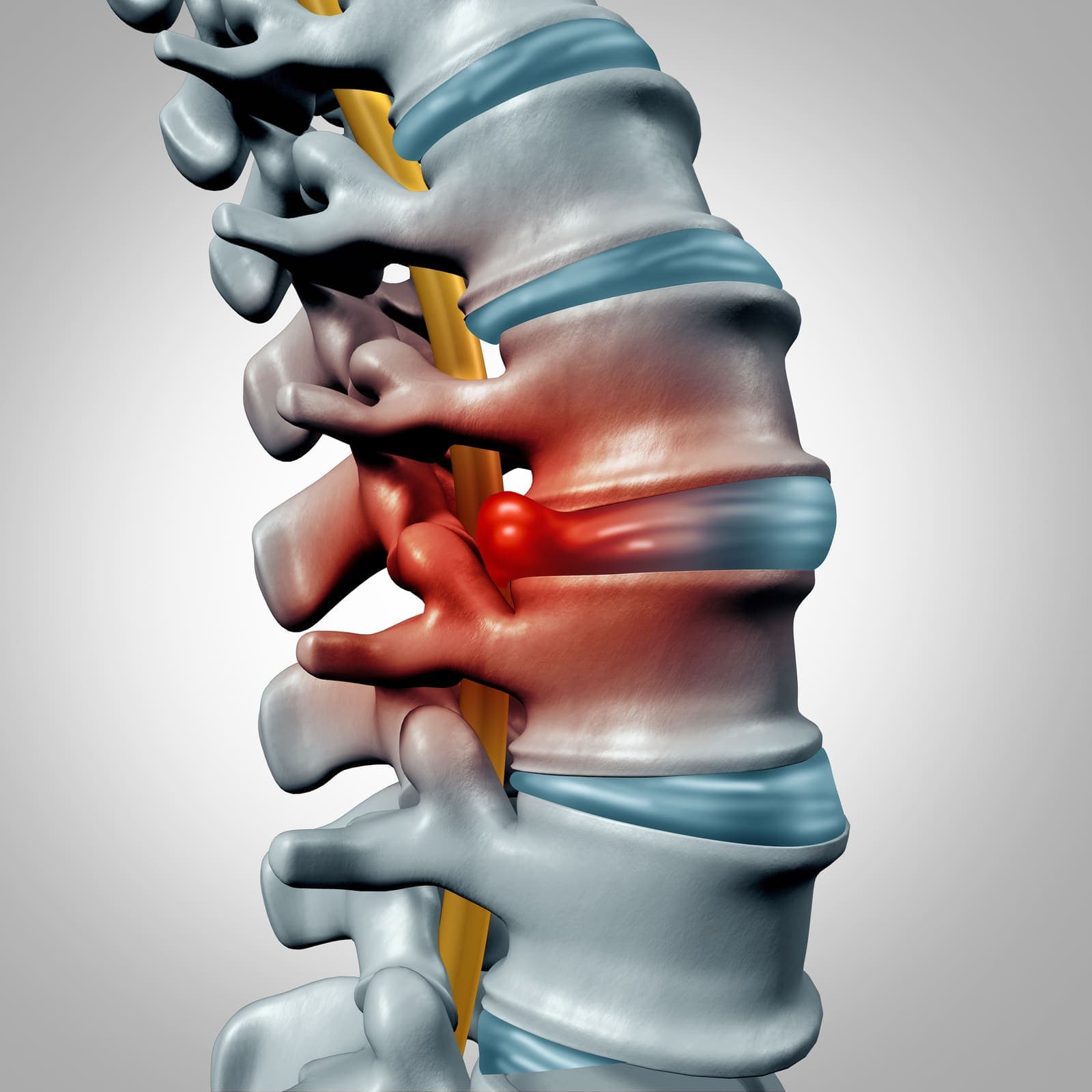
How well the underlying cause was identified. Sciatica has more than one possible root cause — disc irritation, piriformis involvement, and joint restriction all present similarly but respond to somewhat different emphasis in treatment. An accurate exam up front avoids wasted weeks on the wrong approach.
Whether activity is modified rather than eliminated. Complete rest tends to slow recovery, but so does ignoring pain and pushing through high-impact activity too early. The sweet spot is staying active within a tolerable range.
When the timeline is a warning sign, not just slow progress
Most sciatica cases improve steadily, even if slowly. But certain patterns are worth flagging to your provider right away rather than waiting them out: progressive weakness in the leg or foot, numbness in the groin or inner thigh, or any change in bladder or bowel control. These aren't part of a "normal, just slow" timeline — they warrant prompt evaluation.
The bottom line
If you're a few weeks into dealing with sciatica and wondering whether the timeline you're on is normal, the honest answer is: it depends on the cause, but most people see real progress within 2 to 6 weeks and continued improvement out to 12 weeks. If you're past that window without meaningful change, that's usually a sign the treatment approach — or the diagnosis itself — needs a second look, not that you should keep waiting.