Short answer: A general chiropractor and a sports chiropractor both use hands-on care to treat pain in the joints and muscles. Sports-focused care adds a sport-specific assessment, corrective exercise, and a plan for returning to your sport. Neither is better for everyone, so the right fit depends on what you need and what you do.
What a general chiropractor typically does
Most chiropractors take a history, examine the spine and joints, and use hands-on treatment to ease pain and improve motion. They also often give advice on posture, activity, and self-care. For common problems like a stiff neck, an achy low back, or a sore joint, this is often exactly what a person needs.
General care is a good fit when the problem is fairly simple, you are not training toward a goal, and you mainly want relief and a clear explanation of what is going on. Many general chiropractors also give exercises and work with active patients every day. The line between the two is not sharp, and plenty of general providers do some of what is described below.
What sports-focused care adds
Sports-focused care builds on the same hands-on foundation. It adds a few things that matter when you are trying to get back to a sport.
Movement and sport assessment. Pain is only part of the picture. A sports-focused exam looks at how you move, including the motions your sport demands. A runner, a swimmer, and a golfer can all have shoulder or back pain, but the movements behind it are different. Looking at those movements can help find why the problem started.
Corrective exercise and rehab. Hands-on care can ease pain, but strength and movement control help keep the problem from coming back. A sports-focused plan usually includes specific exercises for mobility, strength, and control, and it builds the load up step by step.
Return-to-sport planning. Going from "it does not hurt" to "I am ready to compete" is a real step. A return-to-sport plan lays out stages, such as daily movement, then light sport-specific work, then full training. Each stage has clear markers, so you do not jump ahead too fast.
Working around a training or season calendar. Athletes do not have the luxury of stopping everything. Sports-focused care takes your practices, races, tournaments, and off-season into account. The plan may change as your calendar changes, with lighter treatment near competition and more building work in the off-season.
Who benefits from sports-focused care
Sports-focused care can be a good fit for:
- Competitive and recreational athletes with a new or nagging injury
- Runners, golfers, swimmers, and racquet sport players with repeated problems
- Teens and young athletes dealing with sport-related aches and strains
- Active adults returning to sport after time off or after surgery
- Anyone who wants a clear plan for getting back to training, not just pain relief
If your problem is a basic ache and you do not train toward a goal, general care may be all you need. If your problem keeps coming back, or if a sport sits at the center of your life, the extra steps above are worth asking about.
What to ask any provider
Whether you pick a general or a sports-focused chiropractor, a few questions help you judge the fit.
- How will you assess my problem? Look for a real exam that includes movement, not just a quick look at the sore spot.
- Will I get exercises to do at home? A plan that includes your own work between visits usually works better than treatment alone.
- How will we decide when I can return to my sport? You should hear about stages and clear markers.
- Will you work around my schedule? A good provider asks about your season and adjusts.
- Will I see the same person every visit? Continuity helps, because someone who knows your history can spot changes sooner.
- When would you refer me elsewhere? A good provider will tell you which signs, such as new weakness, numbness, or loss of bladder or bowel control, need medical care instead.
Pay attention to how the provider answers. Clear, plain answers are a good sign. Big promises are not.
What happens at SC Sports Therapy
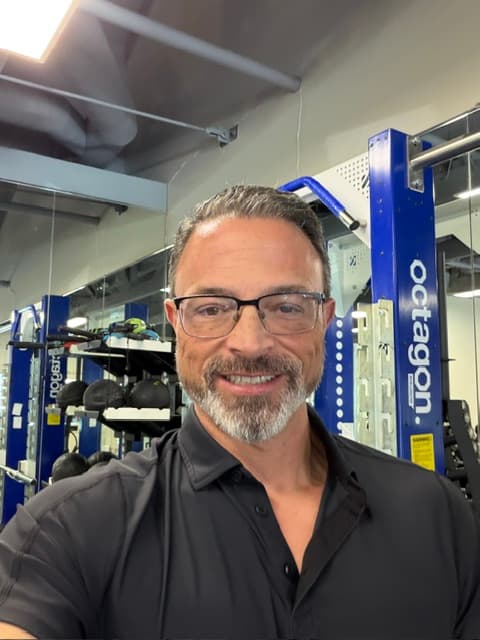
At SC Sports Therapy in Danville, every visit is one-on-one with Dr. Steven Adams, DC. He has more than 27 years of clinical experience, and the practice is built around a concierge style, so you are not handed off or rushed.
A typical first visit includes a conversation about your injury, your sport, and your goals, followed by a hands-on and movement exam. When appropriate, treatment starts the same day. You leave with a clear plan for the coming weeks, including your first exercises.
From there, care combines hands-on chiropractic treatment with corrective exercise and rehab, and a return-to-sport plan fitted to your calendar. You can read more about this approach on the Sports Injury Chiropractic page, and about how we handle common problems on the low back pain and shoulder pain pages. If you train often, the sports recovery membership combines coached training with ongoing care.
We serve athletes and active adults from Danville, San Ramon, Alamo, Walnut Creek, Blackhawk, Diablo, and the wider East Bay, including teens and young athletes.
Visits start at $150 for the first exam and treatment, then $85 for follow-up chiropractic visits. We are an in-network provider for Blue Shield and also take PPO plans that cover chiropractic care. To book or to check your benefits, call (925) 510-6139.
The bottom line
Both kinds of chiropractor can help, and neither one is automatically better than the other. What matters is whether the care fits your problem and your goals. If you play a sport, want a plan for getting back to it, and want to keep the same provider from start to finish, sports-focused care is worth a look. Ask the questions above, and pick the provider who gives you clear answers.